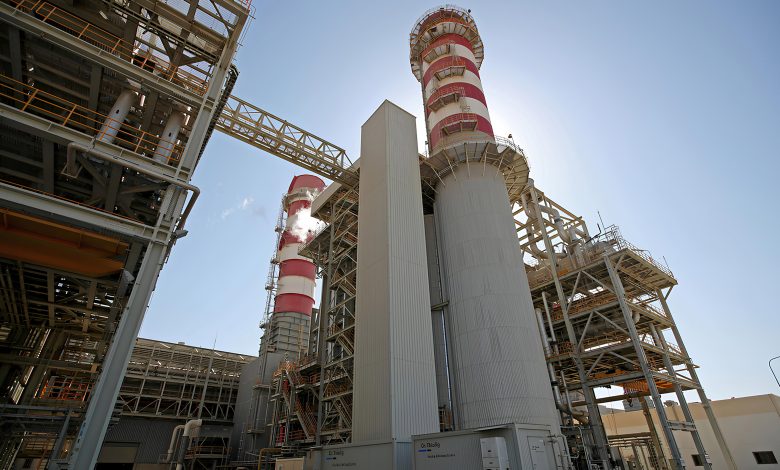
از بازدارندگی هستهای تا بازدارندگی آبشیرینکنها
اندیشکده رستارتوضیح داده است که بازدارندگی آبشیرینکنها، هزینههای انتقام نظامی سنتی را دور زده و نردبان تشدید تنش را به سمت تنشهای جدیتر تغییر میدهد.


✍🏻 حجت میانآبادی، مدیر اندیشکده رستار (دیپلماسی و امنیت آب، اقلیمومحیط زیست) و استادیار، گروه مهندسی و مدیریت آب، دانشگاه تربیت مدرس
چکیده
تشدید درگیریهای اخیر آمریکا، اسرائیل و ایران نشاندهنده گذار از جنگهای سنتی به جنگ زیرساختی میاندامنهای است. این مقاله، مفهوم جدیدی بهنام «بازدارندگی آبشیرینکنها» را معرفی میکند؛ رویکردی که در آن زیرساختهای آب با هدف ایجاد فلج استراتژیک سلاحسازی میشوند. با واکاوی آسیبپذیری آبشیرینکنهای خلیج فارس، این نوشتار نشان میدهد که چگونه هدف قرار دادن متقابل زیرساختهای آبی، نوعی «نابودی متقابل تضمینشده» (MAD) را در سطح منطقهای و زیرساختی بهویژه میان ایران و رژیم صهیونیستی ایجاد میکند. در همین حال، این اقدام هزینههاینامتقارن و غیرقابلپذیرشی را بر بازیگران خارجی مانند ایالات متحده تحمیلخواهد کرد. این جدیدترین نوع از «جنگ محیطی» است که معادلات امنیتی منطقه را به طور بنیادین تغییر داده و کشورها را به سمت طراحیچ ارچوبهای نوینی از بازدارندگی سوق میدهد تا از تبدیل شدن تنشها به جنگهای تمامعیار جلوگیری کنند. واقعیت این است که پس از حملات اخیرآمریکا و رژیم صهیونیستی به ایران، آبشیرینکنها دیگر صرفاً یک تأسیسات فنی و مهندسی نیستند؛ آنها اکنون به بازیگران کلیدی و تعیینکنندهای در امنیت غرب آسیا تبدیل شدهاند.
1- مقدمه
رقابت استراتژیک بین محور آمریکا-اسرائیل و جمهوری اسلامی ایران از نظر تاریخی از منشور موازنه نظامی متعارف و بازدارندگی هستهای مورد بررسی قرار گرفته است. با این حال، تشدید تنشهای اخیر، به ویژه حمله مستقیم به ایران در جریان مذاکرات، همراه با تشدید عملیاتهای پنهان و درگیریهای نیابتی، محدودیتهای چارچوبهای سنتی بازدارندگی را آشکار کرده است. همچنان که منطقه در مرز ناپایداری بین حملات محدود و جنگ تمامعیار قرار دارد، یک آستانه تشدید غیرسینتیک (غیرجنگی) بحرانی اما کمتر مورد تجزیه و تحلیل قرار گرفته پدیدار شده است: تسلیحاتی کردن زیرساختهای غیرنظامی، بهویژه منابع آب.
برای درک این پویایی، باید از مدلهای کلاسیک و استاندارد بازدارندگی نظیر بازدارندگی هستهای و نظریه بازیها در بازدارندگی فراتر رفت. در مفهوم پایه، بازدارندگی زمانی رخ میدهد که بازیگر «الف»، بازیگر «ب» را متقاعد کند که از انجام یک اقدام مشخص دست بردارد؛ زیرا به هر میزان که «ب» از این اقدام سود انتظار داشته باشد، هزینههای احتمالی و پیشبینیشده بسیار بیشتر خواهد بود.
در منطقه غرب آسیا، جایی که خشکسالی یک واقعیت وجودی و چالشهای آبی یک بحران امنیتی است، زیان نهایی نه لزوماً از دست دادن سرزمین یا تجهیزات نظامی، بلکه از دست دادن دسترسی به منابع آب شیرین و تخریبامنیت آبی و در نتیجه آسیب جدی امنیت ملی است. در نتیجه، یک پارادایم نوین در این منطقه در حال شکلگیری است: «بازدارندگی آبشیرینکنها». این مفهوم نشاندهنده یک مرز حیاتی در حمله آمریکا-اسرائیل به ایران در منطقه خلیج فارس است که به عنوان نوعی بازدارندگی میاندامنهای (Cross-Domain Detterence- CDD) عمل میکند، جایی که تهدید به تخریب محیطزیستی و زیرساختی، هزینههای انتقام نظامی سنتی را دور زده و نردبان تشدید تنش را به سمت تنشهای جدیتر تغییر میدهد.
2– .چارچوبهای بازدارندگی: از متعارف تا میاندامنهای
بازدارندگی در اساس «تمرین بازداشتن یا محدود کردن فرد و بازیگر — درسیاست جهانی، معمولاً یک دولت-ملت — از اقدامات ناخواسته، مانند یکحمله مسلحانه» است [1]. این تلاشی برای شکل دادن به محاسبات و نحوه تفکر یک مهاجم بالقوه است تا گزینههای جایگزین را جذابتر از جنگ بداند.وقتی بازیگر بازدارنده تهدیدی را مطرح میکند، اثربخشی بازدارندگی به این است که به درک بازیگر مقابل از معنای احتمالی آن تهدید بستگی دارد.
علاوه بر این، مفهوم امنیت از مفهوم ساده امنیت در دوران جنگ سرد به یک مفهوم درهمتنیده تغییر پیدا کرده است. امنیت ملی دیگر تنها به بحث امنیت نظامی محدود نمیشود؛ فراتر از بعد نظامی، امنیت ابعاد اقتصادی،اجتماعی، سیاسی محیطزیستی را شامل میشود که آب و اقلیم نیز جزء آن است. براین اساس، چالشهای امنیتی معاصر نیازمند مفهومسازی گستردهتری از بازدارندگی هستند؛ مفهومی که از ابزارهای صرفاً نظامی فراتر رفته و اقدامات غیرنظامی و زیرساختهای حیاتی را در بر گیرد. اینتکامل منجر به ظهور مفهوم «بازدارندگی میاندامنهای» (CDD) شده است.CDD شامل «استفاده از تهدیدهای یک نوع، یا ترکیبی از انواع مختلف، برای منصرف کردن هدف، از انجام اقدامات نوعی دیگر به منظور تلاش برایتغییر وضع موجود» است [۲]. CDD به ویژه در زمینه استراتژیهای منطقه خاکستری و تهدیدهای ترکیبی (هیبریدی) مرتبط است، جایی که دولتها به دنبال بهرهبرداری از آسیبپذیریهای حریف در زیر آستانه نظامی متعارف هستند. ذات CDD در توانایی آن برای همگامسازی ابزارهای نظامی و غیرنظامی برای هدف قرار دادن زیرساختهای حیاتی —مانند نیروگاهها،تأسیسات پتروشیمی و پلها— نهفته است که شبکه درهمتنیدهای از سیگنالهای بازدارندگی ایجاد میکند که از دامنههای جغرافیایی و عملکردی سنتی فراتر میرود [۲]، [۳]. در این زمینه، هدف قرار دادن زیرساختهای آبی بویژه آبشیرینکن به عنوان شکلی از CDD ظهور پیدا میکند، جایی که دامنههای محیطزیستی، سایبری و سینتیک برای به خطر انداختن بقای یک دولت و حاکمیت با هم تلاقی میکنند.
3- بازدارندگی آبشیرینکنها
بازدارندگی آبشیرینکنها به عنوان تهدید ضمنی یا صریح به تخریب، اخلال یا سلب دسترسی به زیرساختهای آبشیرینکن یک کشور تعریف میشود. در نتیجه، محرومیت از آب شیرین (برای مصارف شرب، صنعتی، انرژی، و غذایی) به عنوان یک ابزار اجباری برای متقاعد کردن کشور مقابل جهت بازداشتن یا محدود کردن اقدام مشخص به کار گرفته میشود. بازدارندگی آبشیرینکنها ذاتاً بهعنوان شکل افراطی بازدارندگی از طریق تنبیه عمل میکند. در حالی که حمله به یک تأسیسات آب شیرینکن بلافاصله ارتش و نیروهای نظامی پیشرو را متوقف نمیکند (انکار)، اما تهدید به آسیب شدید و بلندمدت جامعه (تنبیه) را بهعنوان هزینههای احتمالی و پیشبینیشده اقدامات صورت گرفته بههمراه دارد.
لازم بهذکر است که «آسیب شدید» و وارد کردن هزینهها و خسارات سنگین، صرفاً اقتصادی نیست؛ بلکه وجودی است. با تهدید به حمله به تأسیسات آب شیرینکن و قطع تأمین آب، یک مهاجم هزینهای بسیار شدید —که بهطور بالقوه به فروپاشی اجتماعی منجر شود— تحمیل میکند که محاسبات هزینه-فایده کشور هدف را به طور بنیادین تغییر میدهد. صرفِ آسیبپذیریِشدید این تأسیسات حیاتی، به عنوان یک بازدارنده عمل میکند، زیرا هزینه حمله، دفاع یا انتقام در برابر قطع کامل آب غیرقابلپذیرش تلقی میشود. با گروگان گرفتن بقای بیولوژیکی جمعیت، بازدارندگی آبشیرینکنها تهدیدی قابلباور ایجاد میکند که نیازی به عبور از مرز هستهای ندارد و به عنوان ابزاری قدرتمند در بازدارندگی میاندامنهای عمل میکند.
4- آسیبپذیری و بازدارندگی آب شیرینکنها در منطقه خلیج فارس:
محاسبات استراتژیک «بازدارندگی آبشیرینکنها» ریشه در حجم بسیارزیاد و تمرکز منطقهای زیرساختهای آب در سطح جهانی دارد. بر اساس تحلیلهای اخیر، ظرفیت قراردادی نمکزدایی جهانی به سطح بیسابقه ۱۲۸ میلیون متر مکعب در روز رسیده است، در حالی که ظرفیت عملیاتی فعلی.۳ میلیون متر مکعب در روز است [۴].
ظرفیت نمک زدایی در سراسر جهان بین سالهای ۲۰۰۲ تا ۲۰۱۰ بیش از دو برابر شده [۵] و همچنان در طول سالهای ۲۰۱۰ تا ۲۰۱۶ با رشد سالانهی۹ درصد مواجه بوده است. در این راستا، احداث حدود 15 هزار طرحنمکزدایی در 177 کشور دنیا با مجموع سرمایهگذاری ۸۸ میلیارد دلار، این صنعت را به یکی از پررونقترین بازارهای جهان تبدیل کرده است [۶]، [۷].رشد شتابان بیش از ۶۰ درصد ظرفیت جهانی نمکزدایی، حکایت از آن دارد که دریاها بهطور فزایندهای سهم خود را در تأمین آب شرب شرب کانونهایجمعیتی سواحل برعهده میگیرند [۸]، [۹]. با افزایش اتکای جهانی به نمکزدایی، آب شیرینکنها به بخش مهمی از امنیت آبی و امنیت ملی کشورها تبدیل شدهاند.

شکل ۱. روند جهانی آبشیرینکنها بر اساس (الف) تعداد و ظرفیت تأسیسات کل و عملیاتی و (ب) ظرفیت عملیاتی بر اساس فناوری نمکزدایی [۷].
خاورمیانه مرکز بیچونوچرای این اتکای زیرساختی است. این منطقه با در اختیار داشتن تنها ۲ درصد از منابع آب تجدیدپذیر جهان اما میزبانی ۶ درصد از جمعیت جهانی، با چالشهای بسیار شدید امنیت آب و اقلیم دستوپنجه نرم میکند. با در اختیار داشتن ۴۶.۹ درصد از ظرفیت قراردادیو ۴۱.۸ درصد از ظرفیت عملیاتی آبشیرینکنهای جهان (معادل ۲۸.۹۶ میلیون مترمکعب در روز)، این منطقه وابستگی عظیمی به آبشیرینکنها دارد که امنیت آب را به ستون اصلی امنیت ملی در کمآبترین منطقه جهان تبدیل کرده است. کشورهای حاشیه خلیج فارس، بهویژه عربستان سعودی و امارات متحده عربی، که به تنهایی ۵۷ درصد از ظرفیت منطقهای و ۲۴ درصد از ظرفیت جهانی آبشیرینکنها را تشکیل میدهند، در وضعیت وابستگی حیاتی به این تأسیسات قرار دارند؛ جایی که بیش از ۷۰ درصد از آب تولیدشده توسط مجتمعهای آبشیرینکن مستقیماً برای تأمین آب شرب شهری و مصارف صنعتی حیاتی مانند صنایع پتروشیمی استفاده میشود[۴]، [۱۰].
این تأسیسات که به عنوان زیرساختهای متمرکز و استراتژیک با ظرفیتهایبسیار عظیم و بدون جایگزین عمل میکنند، نه تنها در برابر رویدادهای طبیعی، بلکه در برابر تهدیدات انسانی نیز بشدت آسیبپذیرند. آسیبپذیری این تأسیسات صرفاً تئوریک نیست؛ پدیدههای محیطزیستی مانند شکوفههای جلبکی در گذشته منجر به اختلال شدید یا توقف کامل آبشیرینکنها در امارات و عمان شده است [13-11]. این امر نشان میدهد که چگونه حتی یک رویداد طبیعی و غیرنظامی میتواند شریان حیاتی شهرها را قطع کند و امنیت شهرها و کشورها را به شدت مختل کند.
این وابستگی وجودی به زیرساختهای آبشیرینکن ساحلی منحصر به خلیج فارس نیست؛ یک پارادایم موازی از آسیبپذیری استراتژیک در مدیترانه شرقی نیز مهندسی شده است. در این چشمانداز جهانیِ بسیار متمرکز، اسرائیل حضور قدرتمندی دارد و با بهرهبرداری از ۷۸ تأسیساتآ بشیرینکن که روزانه ۱.۹۱ میلیون متر مکعب آب تولید میکنند (معادل ۲.۷۶ درصد از ظرفیت عملیاتی جهانی)، عمل میکند [۴]. این تأسیسات نقش حیاتی در ماتریس بقای این رژیم ایفا میکنند. پس از بحرانهای شدیدآب در اواخر دهه ۱۹۹۰، اسرائیل جغرافیای آب خود را به طور بنیادین تغییرداد و از تکیه بر سفرههای آب زیرزمینی طبیعی مشترک و حوضه رودخانه اردن عبور کرد و آب دریای مدیترانه را به جریان پایه اصلی خود تبدیل کرد [۱۴]. امروزه، آب شیرینشده تقریباً ۵۰ درصد از کل مصرف آب شیرین داخلی این رژیم را تأمین میکند و شبکه ملی را عملاً گروگانِ عملکرد مداوم و انرژیبرِ مگاپروژههای اسمز معکوس (RO) ساحلی کرده است. با تغییرمفهومی آب شیرینشده از یک منبع طبیعی به اهداف استراتژیک ارزشمند، این دولت به طور ناخواسته یک نقطه شکست بحرانی و یگانه را مهندسی کرده است. این تمرکز فوقالعاده دیکته میکند که امنیت آب داخلی اسرائیل اکنون به طور جداییناپذیری به دفاع فیزیکی از کریدورهای ساحلی، ثبات شبکه برق و تأمین بدون وقفه غشاهای تخصصی گره خورده است.
وابستگی ساختاری خاورمیانه به آبشیرینکنها به سرعت در حال تعمیق است. تا سال ۲۰۲۸، این منطقه مسئول ۵۳.۱ درصد از ظرفیت جدید نمکزدایی جهانی (معادل ۲۰.۹ میلیون متر مکعب در روز اضافی) خواهد بود که ظرفیت عملیاتی را به ۴۱ میلیون متر مکعب در روز (+۴۱.۶ درصد) افزایش میدهد و ۵۰.۶۸ درصد از پسابهای شور (Brine) جهانی را تولیدخواهد کرد [۴]. در نتیجه، هرگونه اختلال در این زیرساختهای حیاتی، خطرات شدید انسانی و امنیتی را به همراه دارد.
شکل ۲. تفکیک فناوریهای نمکزدایی [۴].
فراتر از ظرفیت خام، جغرافیای فیزیکی این داراییها آسیبپذیری آنها را تشدید میکند. اکثریت قاطع ظرفیت عملیاتی آبشیرینکنهای خاورمیانه —بهویژه در عربستان سعودی، امارات و کویت— در امتداد مناطق ساحلیخلیجفارس و تنگه هرمز متمرکز است [۱۳]. این پهنه آبیِ باریک و نیمهبسته از قبل بحرانیترین گلوگاه انرژی جهان است. هممکانسازی نیروگاههای آبشیرینکنِ بزرگ مقیاس با تأسیسات تولید برق، به این معنی است که یک حمله هدفمند، یا حتی یک رویداد محیطزیستی مخرب (مانند نشت نفت یا رهاسازی عمدی آبشور سمی)، میتواند به طور همزمان تأمین آب میلیونها نفر را مختل کند. تراکم زیرساختی در این منطقه به قدری بالاست که یکاقدامِ هدایتشونده، یا یک حمله سایبری پیچیده به فناوریهای عملیاتی، میتواند یک شکست آبشاری را در شبکههای به هم پیوسته ایجاد کند و یکحمله محلی را به یک فاجعه بشردوستانه منطقهای تبدیل کند. در چنین بستری، هرگونه اختلال در این زیرساختهای حیاتی، چه از طریق حملات موشکی، عملیات سایبری، خرابکاری، یا حتی شوکهای محیطزیستی، میتواند منجر به فروپاشی آنی تأمین و امنیت آب شهری، بحرانهای انسانی و فلج اقتصادی شود. این واقعیت، آبشیرینکنها را از یک راهحل مهندسی به یک مرکز ثقل استراتژیک تبدیل کرده و محاسبات بازدارندگی منطقهای، بویژه در خاورمیانه و همچنین منطقه خلیجفارس را بازتعریف میکند.
هنگامی که این موضوع از لنز نظریه پیشرفته بازدارندگی، به ویژه CDD، بررسی میشود، وابستگی وجودی کشورهای جهان بهویژه در منطقه خاورمیانه به آب شیرینشده، این تأسیسات مهندسی و زیرساختهایغیرنظامی را به یک نقطه مرجع استراتژیکِ حیاتی تبدیل میکند. در نتیجه، هرگونه تهدید برای این تأسیسات آبی، دیگر صرفاً یک اختلال اقتصادی یامحیطزیستی نیست، بلکه یک چالش مستقیم برای بقا و امنیت دولت است که آستانه تشدید درگیری را کاهش داده و شکلی نوین از نابودی متقابل تضمینشده (MAD) زیرساختی را در زیر آستانه هستهای ایجاد میکند. در حالی که قدرتهای خارجی مانند آمریکا با خطر انتقام نامتقارن (مانند حملات سایبری به زیرساختهای داخلی خود) مواجه هستند، پویایی میانایران و اسرائیل یک MAD دوجانبه واقعی را شکل میدهد؛ حمله اسرائیل به آبشیرینکنهای ایران تضمین میکند که ایران در مقام انتقام به آبشیرینکنهای ساحلی اسرائیل حمله کند که هر دو جامعه را به سمت فروپاشی آنی آب سوق میدهد.
شکل ۳. ۱۰ پروژه برتر آبشیرینکن دریایی با تاریخهای بهرهبرداری مورد انتظار و ظرفیتها [۴].
5. هدف قرار دادن زیرساختهای آب در طول حمله آمریکا-اسرائیلبه ایران
چارچوب نظری بازدارندگی آبشیرینکنها در طول حمله محور آمریکا-اسرائیل به ایران عملیاتی شد. این درگیری شاهد هدف قرار دادن سیستماتیک زیرساختهای آب بود که نشاندهنده تشدید خطرناک در سلاحسازی منابع غیرنظامی ضروری و عبور از یک آستانه حیاتی غیرنظامی بود. سیگنالدهی استراتژیک از سوی واشنگتن —که با تهدیدات صریح علیه زیرساختهای آبشیرینکن ایران همراه با هشدارهای گستردهتر هدف قراردادن شبکههای انرژی و حملونقل این کشور نمود پیدا کرد— نشاندهنده تغییر عمدی به سمت سلاحسازی سیستماتیک زیرساختها و خدمات غیرنظامی ضروری است [۱۵]. این تشدید لفظی در فروردین 1405 به اقدام سینتیک (نظامی) تبدیل شد، زمانی که نیروهای ایالات متحده حملات هوایی را علیه یک تأسیسات آبشیرینکن آب شیرین در جزیره قشم در استان هرمزگان ایران انجام دادند، تأسیساتی که آب را به حدود ۳۰ روستا تأمین میکرد [۱۶]. وزیر امور خارجه ایران، عباس عراقچی، بلافاصله این حمله را بهعنوان یک «جنایت آشکار و ناامیدانه» محکوم کرد و اظهار داشت که این یک سابقه خطرناک با عواقب جدی برای حقوق بینالملل بشردوستانه ایجاد میکند. حمله به جزیره قشم با عملیاتهای بعدی ایالات متحده که سازهها و تأسیسات ذخیره آب و مخازن آبی را در استان هرمزگان هدف قرار میداد، دنبال شد و دسترسی بیش از ۲۰ هزار نفر به آب آشامیدنی را مختل کرد]17،18[. در پاسخ به این تخریب ، تأسیسات آبشیرینکن در کویت و امارات متحده عربی در اوایل درگیری آسیب غیرمستقیمی از حملات موشکی و پهپادی دیدند [۱۹]. متعاقباً، گزارشهایی نیز مبنی بر حمله عمدی به تأسیسات در بحرین و ایران منتشر شده است. بهصورت کلی، این حملات بهعنوان یک کاربرد مستقیم از بازدارندگی آبشیرینکنها نمود پیدا کردند که زیرساختهای حیاتی در سراسر خلیج فارس را هدف قرار داد که بخش عمدهای از آب آشامیدنی کشورهای ساحلی کشورهای حاشیه خلیج فارس را تأمین میکند.
برخلاف ایالات متحده که فاصله جغرافیاییاش آن را از انتقامجویی مستقیم هیدروپلیتیکی مصون میدارد، اتکای عمیق اسرائیل به شبکه آبشیرینکنهای مدیترانهایاش، آن را به شدت در برابر حملات متقابل آسیبپذیر میکند. در نتیجه، درگیری اسرائیل در هدف قرار دادن زیرساختهای آب ایران، یک پویایی کلاسیک از نوع «نابودی متقابل تضمینشده» (MAD) را رقم خواهد زد. بنابراین، تهدیدهای متقابل و فوری ایران برای حمله به تأسیسات آبشیرینکن اسرائیل، ماهیت درگیری را از یک تنبیه یکجانبه به فروپاشی تضمینشده و متقابل آب تغییر داد.
تشدید درگیری به حوزه سایبری نیز کشیده شد و نقش زیرساختهای آب را به عنوان یک بردار اصلی برای بازدارندگی میاندامنهای بیش از پیش تثبیت کرد. در خرداد ماه 1405، گروه هکری «حنظله» مسئولیت نفوذ به سیستمهای زیرساخت آب در کالیفرنیا را در انتقام مستقیم از حملات آمریکا به تأسیسات آب ایران در میناب و سیرک ایران بر عهده گرفت [۲۰]. این گروه اعلام کرد که به رابطهای مدیریت شبکه تأسیسات آب در چندین شهر کالیفرنیا، از جمله بیکرزفیلد، چیکو، سالیناس و استاکتون دسترسی پیدا کرده است، اما عمداً از مختل کردن تأمین آب خودداری کرد و این عمل را یک «هشدار» به واشنگتن توصیف کرد. با گروگان گرفتن بقای بیولوژیکی جوامع، این حملات زیرساختی و سایبری از پرداخت هزینههای ناشی از انتقامجویی نظامی سنتی عبور کردند، آستانه تشدید درگیری را کاهش دادند و آبشیرینکنها و زیرساختهای آبی را به عنوان بازیگران محوری در جنگهای ژئوپلیتیک مدرن تثبیت کردند.
6- نتیجهگیری:
حملات اخیر آمریکا-اسرائیل به ایران، تغییر پارادایمی در پویاییهای امنیتی منطقه خاورمیانه را آشکار ساخته است. «بازدارندگی آبشیرینکنها» به عنوان یک آستانه تشدید حیاتی ظهور کرده است، جایی که زیرساختهایآب، بویژه آب شیرینکنها، پتانسیل تبدیل شدن به یک هدف بالقوه نظامیاستراتژیک را دارا هستند. این شکل نوین از جنگ محیطی که در تلاقیبازدارندگی مثلثی یا غیرمستقیم، بازدارندگی تنبیهی و بازدارندگی میاندامنهای (CDD) عمل میکند، با تهدید بقای امنیت آبی یک کشور، بدون آنکه از آستانه هستهای عبور کند، از مدلهای سنتی بازدارندگی فراتر میرود. بازدارندگی آب شیرینکنها را میتوان نوعی از CDD دانست که در آن، قابلیتهای یک نوع تهدید یا ترکیبی از انواع مختلف تهدیدها، برای مقابله با خطرات و جلوگیری از حملات غیرقابلپذیرش به کار گرفته میشوند؛ بهویژهحملاتی که زیرساختهای حیاتی مانند نیروگاهها، تأسیسات پتروشیمی و پلها را هدف قرار میدهند.
وابستگی شدید منطقه خاورمیانه به آبشیرینکنها —با سهم بیش از ۴۶ درصدی این منطقه از ظرفیت جهانی— این موضوع را به یک آسیبپذیری منحصربهفردِ منطقهای تبدیل کرده است. برای کشورهای حوزه خلیج فارس و رژیم صهیونیستی، تأمین مداوم آب شیرینشده، وضعیت موجود و بنیادینجوامع مدرن آنها را تشکیل میدهد. در نتیجه، نگرانی جدی کشورهای حاشیه خلیج فارس از جمله ایران به استفاده رژیم اسرائیل از آب شیرینکنها بهعنوان هدف نظامی، آنها را وادار میسازد تا تحت یک «چارچوب زیان» شدید در حوزه بازدارندگی عمل کند.
در نهایت، بازدارندگی آبشیرینکنها دیگر صرفاً یک مسئله محیطزیستی نیست؛ بلکه مرز نوینی در جنگهای ژئوپلیتیکی است که نیازمند توجه فوریدر چارچوبهای امنیت بینالمللی و امنیت منطقهای است. بدیهی است که پس از حمله آمریکا-اسرائیل به ایران، آب شیرینکنها از تأسیسات فنی و مهندسی به بازیگران مهم امنیتی در منطقه خاورمیانه تبدیل شدهاند.
در حالی که ماده ۵۴ (بند ۲) پروتکل الحاقی ۱۹۷۷ به کنوانسیونهای ژنو، حملات به تأسیسات آب آشامیدنی را صراحتاً به عنوان جنایت جنگی طبقهبندی میکند، ماهیت آنارشیک نظام بینالملل اطمینان و تسلی چندانی به سیاستگذاران منطقهای نمیدهد. در فضای امنیتی متزلزل غرب آسیا، تکیه بر چارچوبهای حقوقی بینالمللی یا اعلامیههای سازمان ملل متحد برای تضمین امنیتی زیرساختهای حیاتی آب، یک بدهی استراتژیک محسوب میشود. حملات محور آمریکا-اسرائیل به ایران نشان داد که قواعد و محدودیتهای هنجاری تحت فشار جنگهای میاندامنهای از بین میروند. در نتیجه، دولتها باید از توهم حمایتهای قانونی دست بردارند و «خطوط قرمز هیدروپلتیکی» روشنی ترسیم کنند که هرگونه اقدام نظامی یا سایبریخصمانه علیه زیرساختهای آب را به انتقامجویی خودکار در سایر دامنهها پیوند دهد. مناقشات اخیر نشان دادهاند که بازدارندگی در حوزه امنیت آب و حتی زیرساختهای حیاتی دیگر نمیتواند به کنوانسیونهای بینالمللی برونسپاری شود.
با این حال، انتقامجویی نظامی به تنهایی نمیتواند یک جامعه را در برابر تهدیدات طولانیمدت زیرساختی پایدار نگه دارد. این واقعیت ایجاب میکندکه دکترینهای امنیت آبی در مقیاسهای ملی و منطقهای مورد بازنگری بنیادین قرار گیرند و از پارادایم سنتیِ تأمینمحور —که آب را صرفاً یک مسئله مهندسی قابلحل از طریق ابرپروژههای متمرکز میداند — فاصله گرفته شود. در عوض، دولتها باید چارچوبی از «امنیت آبی جامعهمحور» را اتخاذ کنند که سازگاری سیستماتیک و غیرمتمرکزسازی شبکهها و سیاستهای آب را در اولویت قرار دهد. با پایهگذاری امنیت آب بر فرصتهای اقلیمی-اجتماعی به جای صرفاً تأمین آب، دولتها میتوانند تابآوریساختاری را مستقیماً در بافت جامعه نهادینه کنند و اطمینان حاصل نمایندکه حمله و سلاحسازی زیرساختهای آب دیگر منجر به فلج استراتژیک نخواهد شد. در نهایت، بازنگری در سیاستگذاری آب شیرینکنها و تغییر نگاه به این تأسیسات صرفاً بهعنوان یک تأسیسات مهندسی، ضرورتی فوری و حیاتی است. پرهیز از اجرای تأسیسات آب شیرینکن بزرگ مقیاس و وابسته کردن بخش اعظمی از امنیت آب شرب و صنعت کشور به این تأسیسات و پراکنش این سازهها ضرورت سیاستی دیگری است که شرایط جدید هیدروپلیتیک منطقه بویژه خلیج فارس و دریای عمان تحمیل میکند.
منابع
[2]J. R. Lindsay and E. Gartzke, “Introduction: Cross-Domain Deterrence, from Practice to Theory,” in Cross-Domain Deterrence: Strategy in an Era of Complexity, E. Gartzke and J. R. Lindsay, Eds., Oxford University Press, 2019, ch. 1, pp. 1–24. doi: 10.1093/oso/9780190908645.003.0001.
[3]T. Sweijs and S. Zilincik, “The Essence of Cross-Domain Deterrence,” in NL ARMS Netherlands Annual Review of Military Studies 2020, F. Osinga and T. Sweijs, Eds., T.M.C. Asser Press, 2021, ch. 8, pp. 129–158. doi: 10.1007/978-94-6265-419-8_8.
[4]N. K. Khanzada et al., “Desalination and the Middle East: research, practices, implications, and prospects,” npj Clean Water, vol. 9, no. 1, p. 21, Jan. 2026, doi: 10.1038/s41545-026-00554-x.
[5]Awwa Manual, Desalination of Seawater Manual of Water Supply Practices, First Edit. American Water Works Association, 2011.
[6]K. Zotalis, E. G. Dialynas, N. Mamassis, and A. N. Angelakis, “Desalination technologies: Hellenic experience,” Water, vol. 6, no. 5, pp. 1134–1150, 2014.
[7]E. Jones, M. Qadir, M. T. H. van Vliet, V. Smakhtin, and S. Kang, “The state of desalination and brine production: A global outlook,” Sci. Total Environ., vol. 657, pp. 1343–1356, Mar. 2019, doi: 10.1016/j.scitotenv.2018.12.076.
[8]M. Ghannadi, “A Look at Existing and Future Desalination Markets in the Persian Gulf and MENA Region,” Agric. water Effic. Balanc. water Resour., vol. 4, no. 1, pp. 1–8, 2017, doi: 10.22067/JWSD.V4I1.55592.
[9]B. Heidari, “Identification and prioritization of policy indicators influencing seawater desalination policymaking,” Tarbiat Modares University, 2025.
[10]A. Siddiqi and L. D. Anadon, “The Water-Energy Nexus in Middle East and North Africa,” Energy Policy, vol. 39, no. 8, pp. 4529–4540, 2011, doi: 10.1016/j.enpol.2011.04.023.
[11]M. L. Richlen, S. L. Morton, E. A. Jamali, A. Rajan, and D. M. Anderson, “The catastrophic 2008–2009 red tide in the Arabian gulf region, with observations on the identification and phylogeny of the fish-killing dinoflagellate Cochlodinium polykrikoides,” Harmful Algae, vol. 9, no. 2, pp. 163–172, Feb. 2010, doi: 10.1016/j.hal.2009.08.013.
[12]L. O. Villacorte, S. A. A. Tabatabai, N. Dhakal, G. Amy, J. C. Schippers, and M. D. Kennedy, “Algal blooms: an emerging threat to seawater reverse osmosis desalination,” Desalin. Water Treat., vol. 55, no. 10, pp. 2601–2611, Aug. 2015, doi: 10.1080/19443994.2014.940649.
[13]Y. Ibrahim, R. A. Ismail, A. Ogungbenro, T. Pankratz, F. Banat, and H. A. Arafat, “The sociopolitical factors impacting the adoption and proliferation of desalination: A critical review,” Desalination, vol. 498, p. 114798, Jan. 2021, doi: 10.1016/j.desal.2020.114798.
[14]E. Feitelson and G. Rosenthal, “Desalination, space and power: The ramifications of Israel’s changing water geography,” Geoforum, vol. 43, no. 2, pp. 272–284, Mar. 2012, doi: 10.1016/j.geoforum.2011.08.011.
[15]J. Webster and G. Matchett, “Why US-Israeli attacks on Iran’s grid and water systems would be counterproductive,” 2026. [Online]. Available: https://www.atlanticcouncil.org/blogs/energysource/why-us-israeli-attacks-on-irans-systems-would-be-counterproductive/
[16]V. Nereim, “Vital Desalination Plants in Iran and Bahrain Are Attacked,” The New York Times. [Online]. Available: https://www.nytimes.com/2026/03/08/world/middleeast/desalination-plants-iran-bahrain.html
[17]C. Koettl and C. Triebert, “Analysis of Satellite Image and Videos Suggest Precision U.S. Strikes on Iranian Water Facility,” The New York Times. Accessed: Jul. 03, 2026. [Online]. Available: https://www.nytimes.com/2026/06/10/world/middleeast/precision-strike-iran-water.html
[18]S. Shamim, “US bombs Iran’s water facilities: Why that’s so significant,” Al Jazeera. [Online]. Available: https://www.aljazeera.com/news/2026/6/10/us-bombs-irans-water-facilities-why-thats-so-significant
[19]D. Michel, “Could Iran Disrupt the Gulf Countries’ Desalinated Water Supplies?,” Center for Strategic and International Studies (CSIS). [Online]. Available: https://www.csis.org/analysis/could-iran-disrupt-gulf-countries-desalinated-water-supplies
[20]Fars News Agency, “Hanzala: We hacked California water facilities + documents [حنظله: تأسیسات آب کالیفرنیا را هک کردیم + اسناد],” Fars News Agency. [Online]. Available: https://farsnews.ir/politics/1781221726942017870/
متن انگلیسی مقاله
From Nuclear Deterrence to Desalination Deterrence
Hojjat Mianabadi, Assistant Professor, Department of Water Engineering and Management, Tarbiat Modares University, Tehran, Iran
Abstract
The recent US-Israel-Iran escalation reveals a shift from traditional warfare to cross-domain infrastructural warfare. This brief introduces “desalination deterrence,” a concept wherein water infrastructure is weaponised to achieve strategic paralysis. By analysing the vulnerability of Persian Gulf desalination plants, this brief examines how reciprocal targeting of water infrastructure creates a localized, infrastructural form of Mutually Assured Destruction (MAD), particularly between Iran and Israel; while imposing unacceptable asymmetric costs on external actors like the United States. It assesses how this environmental warfare alters regional security dynamics, potentially driving states toward new frameworks of deterrence to prevent the escalation of conflicts as the ultimate guarantor of sovereignty. Evidently, following the US-Israeli attack on Iran, desalination plants have transformed from technical and engineering facilities into significant security actors across the Middle East.
1. Introduction
The strategic rivalry between the United States-Israel axis and the Islamic Republic of Iran has historically been framed through the prism of conventional military balancing and nuclear deterrence. However, recent escalations, most notably the direct attack on Iran during negotiations, coupled with intensified covert operations and proxy engagements, have exposed the limitations of traditional deterrence frameworks. As the region navigates a precarious threshold between limited strikes and total war, a critical, yet under-analysed, non-kinetic escalation threshold has emerged: the weaponisation of civilian infrastructure, specifically water resources.
Grasping this dynamic requires moving beyond classical deterrence models, such as nuclear deterrence and game-theoretic approaches. At its core, deterrence occurs when Actor A convinces Actor B not to take a specific action; regardless of the anticipated gains for B, the likely costs will be substantially higher.
In West Asia, where drought is an existential reality and water scarcity constitutes a security crisis, the ultimate cost is not necessarily the loss of territory or military hardware, but the loss of access to water resources and the degradation of water security, resulting in severe harm to national security. Consequently, a new paradigm is emerging: “Desalination Deterrence”. This concept represents a critical threshold in the US-Israeli attack on Iran within the Persian Gulf, functioning as a form of Cross-Domain Deterrence (CDD). Here, the threat of environmental and infrastructural destruction bypasses the costs associated with traditional military retaliation and shifts the escalation ladder toward more severe confrontations.
2. Deterrence Frameworks: From Conventional to Cross-Domain
Deterrence is fundamentally the practice of restraining or discouraging an individual or actor —in global politics, usually a nation-state —from taking unwanted actions, such as an armed attack [1]. It is an effort to shape the calculus of a potential aggressor, rendering alternative options more attractive than war. When a deterring actor articulates a threat, the effectiveness of deterrence depends on the opposing actor’s perception of the probable implications of that threat.
Furthermore, the concept of security has evolved from the straightforward notion of security prevalent during the Cold War into an interconnected construct. National security is no longer confined to the military sphere; beyond the military dimension, security encompasses economic, social, political, and environmental facets, including water and climate. Accordingly, contemporary security challenges demand a broader conceptualization of deterrence—one that extends beyond purely military instruments to encompass non-military actions and critical infrastructure. This evolution has given rise to the concept of ‘cross-domain deterrence’ (CDD). CDD involves “using threats of one type, or some combination of differenttypes, to dissuade a target from taking actions of another type toattempt to alter the status quo” [2]. CDD is particularly relevant in the context of gray-zone strategies and hybrid threats, where states seek to exploit an adversary’s vulnerabilities below the threshold of conventional military conflict. The essence of CDD lies in its capacity to synchronize military and non-military instruments to target critical infrastructure, such as power plants, petrochemical facilities, and bridges, generating an interconnected web of deterrence signals that transcends traditional geographic and functional domains [2], [3]. In this context, targeting water infrastructure, particularly desalination plants, emerges as a form of CDD, wherein the environmental, cyber, and kinetic domains intersect to jeopardize the survival of a state and its sovereignty.
3. Desalination Deterrence
Desalination deterrence is defined as the implicit or explicit threat of destroying, disrupting, or denying access to a state’s desalination infrastructure. Consequently, the deprivation of fresh water for drinking, industrial, energy, and agricultural purposes is employed as a coercive instrument to persuade an opposing state to abandon or constrain a specific action. Inherently, desalination deterrence operates as an extreme form of deterrence by punishment. While striking a desalination facility does not immediately halt an advancing army and military forces (denial), it carries the threat of severe, long-term societal damage (punishment), which serves as the anticipated and projected cost of the undertaken action.
Notably, severe damage and the imposition of heavy costs and losses are not merely economic; they are existential. By threatening to strike desalination facilities and sever the water supply, an aggressor imposes a drastic cost, potentially leading to social collapse, that fundamentally alters the target state’s cost-benefit calculus. The mere severe vulnerability of these critical facilities acts as a deterrent, as the cost of attacking, defending, or retaliating in the face of a total water cutoff is deemed unacceptable. By holding the biological survival of the population hostage, desalination deterrence generates a credible threat that requires no crossing of the nuclear threshold, functioning as a powerful instrument of cross-domain deterrence.
4. The Vulnerability and Deterrence of Desalination Plants in the Persian Gulf Region
The strategic calculus of “desalination deterrence” is fundamentally rooted in the sheer volume and regional concentration of global water infrastructure. According to recent analyses, the global contracted desalination capacity has reached an unprecedented 128 million cubic metres per day (MCM/day), with a current operational capacity of 69.3 MCM/day [4].
Global desalination capacity more than doubled between 2002 and 2010 [5] and continued to experience a 9 percent annual growth rate from 2010 to 2016. Correspondingly, the construction of approximately 15,000 desalination projects across 177 countries, with a total investment of $88 billion, has transformed this industry into one of the most booming markets in the world [6], [7]. The rapid growth of over 60 percent in global desalination capacity indicates that seas are increasingly sharing the burden of supplying drinking water to coastal population hubs [8], [9]. As global reliance on desalination increases, these plants have become a vital component of the water security and national security of states.
Fig.1. Trends in global desalination by (a) number and capacity of total and operational desalination facilities and (b) operational capacity by desalination technology [7].
The Middle East is the undisputed epicentre of this infrastructural reliance. Possessing a mere 2 percent of the world’s renewable water resources while hosting 6 percent of the global population, the Middle East grapples with highlysevere water and climate security challenges. Holding 46.9 percent of global contracted desalination capacity and 41.8 percent of operational capacity (equivalent to 28.96 MCM/day), the region exhibits a massive dependence on desalination plants, elevating water security to the main pillar of national security in the world’s most water-scarce region. Persian Gulf littoral states, particularly Saudi Arabia and the United Arab Emirates, which alone account for 57 percent of regional and 24 percent of global desalination capacity, exist in a state of vital dependence on these facilities, wherein over 70 percent of the water produced by desalination complexes is used directly to supply municipal drinking water and critical industrial needs, such as petrochemical indutries [4], [10].
Operating as centralized and strategic infrastructure with massive, irreplaceable capacities, these facilities are highly vulnerable not only to natural events but also to human-induced threats. This vulnerability is not merely theoretical; environmental phenomena such as algal blooms have previously disrupted or caused the complete shutdown of desalination plants in the UAE and Oman [11], [12], [13]. It demonstrateshow even a natural, non-military event can sever the lifelines of cities and severely disrupt the security of states and municipalities.
This existential reliance on coastal desalination infrastructure is not exclusive to the Persian Gulf; a parallel paradigm of strategic vulnerability has been engineered in the Eastern Mediterranean. Within this highly concentrated global landscape, Israel maintains a formidable footprint, operating 78 desalination facilities that produce 1.91 MCM/day, accounting for 2.76 percent of global operational capacity [4]. These plants play a vital role in the regime‘s survival matrix. Following the severe water crises of the late 1990s, Israel fundamentally rewired its water geography, transitioning from a reliance on shared natural aquifers and the Jordan River basin to treating Mediterranean seawater as its primary base flow [14]. Today, desalinated water satisfies nearly 50 percent of the regime‘s total domestic freshwater consumption, effectively rendering the national grid hostage to the continuous, energy-intensive operation of coastal reverse osmosis (RO) mega plants. By conceptually shifting desalinated water from a natural resource to high-value strategic targets, the state has inadvertently engineered a critical single point of failure. This hyper-centralization dictates that Israel’s internal water security is now inextricably tethered to the physical defense of its coastal corridors, the stability of its power grid, and the uninterrupted supply of specialized membranes.
The Middle East’s structural dependence on desalination is deepening rapidly. By 2028, the region will account for 53.1 percent of new global desalination capacity (an additional 20.9 MCM/day), raising operational capacity to 41 MCM/day (+41.6%) and producing 50.68 percent of global brine [4]. Consequently, any disruption to these critical infrastructuresposes severe humanitarian and security risks.
Fig.2. Breakdown of desalination technologies [4].
Beyond raw capacity, the physical geography of these assets exacerbates their vulnerability. The vast majority of the Middle East’s operational desalination capacity, particularly in Saudi Arabia, the UAE, and Kuwait is concentrated along the coastal zones of the Persian Gulf and the Strait of Hormuz [13]. This narrow, semi-enclosed body of water is already the world’s most critical energy chokepoint. The co-location of mega-scale desalination plants with power generation facilities means that a targeted strike, or even a destructive environmental event (such as an oil spill, radiological fallout from attacks on nuclear facilities or the deliberate release of toxic brine), could simultaneously disrupt the water supply of millions. The infrastructural density is so high that a directed action, or a sophisticated cyberattack against operational technologies, could trigger a cascading failure across interconnected networks, turning a localized attack into a regional humanitarian catastrophe. In such an environment, any disruption to these critical infrastructures, whether through missile strikes, cyber operations, sabotage, or even environmental shocks, could lead to the immediate collapse of municipal water supply and security, a public health crisis, and economic paralysis. This reality has transformed desalination plants from an engineering solution into a strategic center of gravity, redefining regional deterrence calculations, particularly in the Middle East and the Persian Gulf region.
When examined through the lens of advanced deterrence theory, particularly CDD, the existential dependence of countries, especially in the Middle East, on desalinated water transforms these engineering facilities and civilian infrastructures into a vital strategic point of reference. Consequently, any threat to these water facilities is no longer merely an economic or environmental disruption, but a direct challenge to state survival and security. This lowers the threshold of warfare escalation and creates a new form of infrastructural Mutually Assured Destruction (MAD) below the nuclear threshold. While external powers like the US face asymmetric retaliatory risks (such as cyberattacks on their own domestic infrastructure), the dynamic between Iran and Israel constitutes a true bilateral MAD; an Israeli strike on Iranian desalination plants mathematically guarantees reciprocal Iranian strikes on Israel’s coastaldesalination facilities, dooming both societies to immediate water collapse.
Fig.3. Top 10 seawater desalination projects with expected commissioning dates and capacities [4].
5. Water Infrastructure Targeting During the 2026 US-Israel-Iran Conflict
The theoretical framework of desalination deterrence was operationalized during the 2026 US-Israel-Iran warfare. The conflict witnessed the systematic targeting of water infrastructure, marking a dangerous escalation in the weaponization of essential civilian resources and the crossing of a critical non-kinetic threshold. Strategic signaling from Washington—exemplified by explicit threats against Iranian desalination infrastructure coupled with broader warnings targeting the country’s energy grids and transportation networks—indicates a deliberate shift toward the systematic weaponization of civilian essential services [15]. This rhetorical escalation materialized into kinetic action on March 7, 2026,when United States forces conducted airstrikes against a freshwater desalination plant on Qeshm Island in Iran’s Hormozgan province, a facility that supplied water to approximately 30 villages [16]. Iranian Foreign Minister Abbas Araghchi immediately condemned the attack as a “blatant and desperate crime”, asserting that it established a dangerous precedent with grave consequences for international humanitarian law. The strike on Qeshm Island was followed by additional US operations targeting water storage buildings and reservoirs in Hormozgan province, which disrupted drinking water access for over 20,000 people [17], [18].
In response to the degradation of water security, desalination facilities in Kuwait and the United Arab Emirates (UAE) suffered indirect damage from missile and drone strikes early in the conflict [19]. Subsequently, plants in Bahrain and Iran have reportedly been intentionally attacked. These strikes manifested as a direct application of desalination deterrence, targeting the critical infrastructure across the Persian Gulf that provides the majority of drinking water for riparian countries.
Unlike the United States, whose geographic distance shields it from direct hydropolitical retaliation, Israel’s profound reliance on its Mediterranean desalination grid makes it highly susceptible to reciprocal strikes. Consequently, Israel’s involvement in targeting Iranian water infrastructure triggered a classic MAD dynamic. So, Iran’s immediate counter-threats to strike Israeli desalination facilities transformed the conflict from a unilateral punishment into a mutually assured water collapse.
The conflict’s escalation extended into the cyber domain, further solidifying the role of water infrastructure as a primary vector for cross-domain deterrence. On June 11, 2026, the hacker group “Hanzala” claimed responsibility for breaching water infrastructure systems in California in direct retaliation for US attacks on Iranian water facilities in Minab and Sirik, Iran [20].The group stated it had gained access to network management interfaces for water facilities in multiple California cities, including Bakersfield, Chico, Salinas, and Stockton, but deliberately refrained from disrupting water supplies, characterizing the operation as a “warning” to Washington. By holding the biological survival of populations hostage, these infrastructural and cyber attacks bypassed traditional military retaliation costs, lowering the threshold of conflict escalation and firmly establishing desalination and water infrastructure as central actors in modern geopolitical warfare.
6. Conclusion
Recent US-Israeli strikes against Iran have revealed a paradigm shift in Middle Eastern security dynamics. “Desalination deterrence” has emerged as a vital non-kinetic escalation threshold, wherein water infrastructure, particularly desalination plants, carries the potential to become a strategic military target. Operating at the intersection of triangular or indirect deterrence, punishment deterrence and cross-domain deterrence (CDD), this new form of environmental warfare transcends traditional deterrence models by threatening the survival of a state’s water security without crossing the nuclear threshold. Desalination deterrence can be viewed as a variant of CDD, wherein capabilities of one threat type or a combination of different typesare leveraged to counter threats and prevent unacceptable attacks, particularly those targeting critical infrastructure such as power plants, petrochemical facilities, and bridges.
The Middle East’s heavy reliance on desalination plants, accounting for over 46 percent of global capacity, renders this a unique regional vulnerability. For Persian Gulf states and Israel, the continuous supply of desalinated water constitutes the foundational status quo of their modern societies. Consequently, the profound concern among Persian Gulf riparian states, including Iran, regarding the Israeli regime’s potential use of desalination plants as military targets compels them to operate within a severe ‘damage framework’ in the deterrence domain.
Ultimately, desalination deterrence is no longer solely an environmental issue; it is a novel frontier in geopolitical warfare that demands immediate attention within international and regional security frameworks. Evidently, following the US-Israeli attack on Iran, desalination plants have transformed from technical and engineering facilities into significant security actors across the Middle East.
While Article 54(2) of the 1977 Additional Protocol to the Geneva Conventions expressly classifies attacks on drinking water installations as war crimes, the anarchic nature of the international system offers little comfort to regional policymakers. In the fractured security landscape of West Asia, relying on international legal frameworks or UN declarations to guarantee the safety of critical water infrastructure is a strategic liability. The 2026 conflict demonstrated that normative constraints evaporate under the pressure of cross-domain warfare. Consequently, states must abandon the illusion of legal safeguards and draw explicit ‘hydropolitical red lines’ that tie any hostile kinetic or cyber action against water infrastructures to automatic retaliation across other domains. Recent conflicts have shown that deterrence in the area of water security can no longer be outsourced to international conventions.
However, military retaliation alone cannot sustain a societyunder prolonged infrastructural threat. This reality demands a fundamental revision of national and regional water security doctrines, shifting away from the traditional supply-oriented paradigm that treats water as a mere engineering problem solvable through centralized mega-projects. States must instead adopt a framework of “societal water security”, prioritizing systemic adaptation and decentralizing water networks and policies to eliminate high-value singular targets. By anchoring water security in climatic-social opportunities rather than water supply, governments can build structural resilience directly into the social fabric, ensuring that the weaponization of water infrastructure no longer guarantees strategic paralysis.
References:
[2]J. R. Lindsay and E. Gartzke, “Introduction: Cross-Domain Deterrence, from Practice to Theory,” in Cross-Domain Deterrence: Strategy in an Era of Complexity, E. Gartzke and J. R. Lindsay, Eds., Oxford University Press, 2019, ch. 1, pp. 1–24. doi: 10.1093/oso/9780190908645.003.0001.
[3]T. Sweijs and S. Zilincik, “The Essence of Cross-Domain Deterrence,” in NL ARMS Netherlands Annual Review of Military Studies 2020, F. Osinga and T. Sweijs, Eds., T.M.C. Asser Press, 2021, ch. 8, pp. 129–158. doi: 10.1007/978-94-6265-419-8_8.
[4]N. K. Khanzada et al., “Desalination and the Middle East: research, practices, implications, and prospects,” npj Clean Water, vol. 9, no. 1, p. 21, Jan. 2026, doi: 10.1038/s41545-026-00554-x.
[5]Awwa Manual, Desalination of Seawater Manual of Water Supply Practices, First Edit. American Water Works Association, 2011.
[6]K. Zotalis, E. G. Dialynas, N. Mamassis, and A. N. Angelakis, “Desalination technologies: Hellenic experience,” Water, vol. 6, no. 5, pp. 1134–1150, 2014.
[7]E. Jones, M. Qadir, M. T. H. van Vliet, V. Smakhtin, and S. Kang, “The state of desalination and brine production: A global outlook,” Sci. Total Environ., vol. 657, pp. 1343–1356, Mar. 2019, doi: 10.1016/j.scitotenv.2018.12.076.
[8]M. Ghannadi, “A Look at Existing and Future Desalination Markets in the Persian Gulf and MENA Region,” Agric. water Effic. Balanc. water Resour., vol. 4, no. 1, pp. 1–8, 2017, doi: 10.22067/JWSD.V4I1.55592.
[9]B. Heidari, “Identification and prioritization of policy indicators influencing seawater desalination policymaking,” Tarbiat Modares University, 2025.
[10]A. Siddiqi and L. D. Anadon, “The Water-Energy Nexus in Middle East and North Africa,” Energy Policy, vol. 39, no. 8, pp. 4529–4540, 2011, doi: 10.1016/j.enpol.2011.04.023.
[11]M. L. Richlen, S. L. Morton, E. A. Jamali, A. Rajan, and D. M. Anderson, “The catastrophic 2008–2009 red tide in the Arabian gulf region, with observations on the identification and phylogeny of the fish-killing dinoflagellate Cochlodinium polykrikoides,” Harmful Algae, vol. 9, no. 2, pp. 163–172, Feb. 2010, doi: 10.1016/j.hal.2009.08.013.
[12]L. O. Villacorte, S. A. A. Tabatabai, N. Dhakal, G. Amy, J. C. Schippers, and M. D. Kennedy, “Algal blooms: an emerging threat to seawater reverse osmosis desalination,” Desalin. Water Treat., vol. 55, no. 10, pp. 2601–2611, Aug. 2015, doi: 10.1080/19443994.2014.940649.
[13]Y. Ibrahim, R. A. Ismail, A. Ogungbenro, T. Pankratz, F. Banat, and H. A. Arafat, “The sociopolitical factors impacting the adoption and proliferation of desalination: A critical review,” Desalination, vol. 498, p. 114798, Jan. 2021, doi: 10.1016/j.desal.2020.114798.
[14]E. Feitelson and G. Rosenthal, “Desalination, space and power: The ramifications of Israel’s changing water geography,” Geoforum, vol. 43, no. 2, pp. 272–284, Mar. 2012, doi: 10.1016/j.geoforum.2011.08.011.
[15]J. Webster and G. Matchett, “Why US-Israeli attacks on Iran’s grid and water systems would be counterproductive,” 2026. [Online]. Available: https://www.atlanticcouncil.org/blogs/energysource/why-us-israeli-attacks-on-irans-systems-would-be-counterproductive/
[16]V. Nereim, “Vital Desalination Plants in Iran and Bahrain Are Attacked,” The New York Times. [Online]. Available: https://www.nytimes.com/2026/03/08/world/middleeast/desalination-plants-iran-bahrain.html
[17]C. Koettl and C. Triebert, “Analysis of Satellite Image and Videos Suggest Precision U.S. Strikes on Iranian Water Facility,” The New York Times. Accessed: Jul. 03, 2026. [Online]. Available: https://www.nytimes.com/2026/06/10/world/middleeast/precision-strike-iran-water.html
[18]S. Shamim, “US bombs Iran’s water facilities: Why that’s so significant,” Al Jazeera. [Online]. Available: https://www.aljazeera.com/news/2026/6/10/us-bombs-irans-water-facilities-why-thats-so-significant
[19]D. Michel, “Could Iran Disrupt the Gulf Countries’ Desalinated Water Supplies?,” Center for Strategic and International Studies (CSIS). [Online]. Available: https://www.csis.org/analysis/could-iran-disrupt-gulf-countries-desalinated-water-supplies
[20]Fars News Agency, “Hanzala: We hacked California water facilities + documents [حنظله: تأسیسات آب کالیفرنیا را هک کردیم + اسناد],” Fars News Agency. [Online]. Available: https://farsnews.ir/politics/1781221726942017870/